
Nicole
Early Detection Saved My Life
Why expanding breast screening guidelines matters
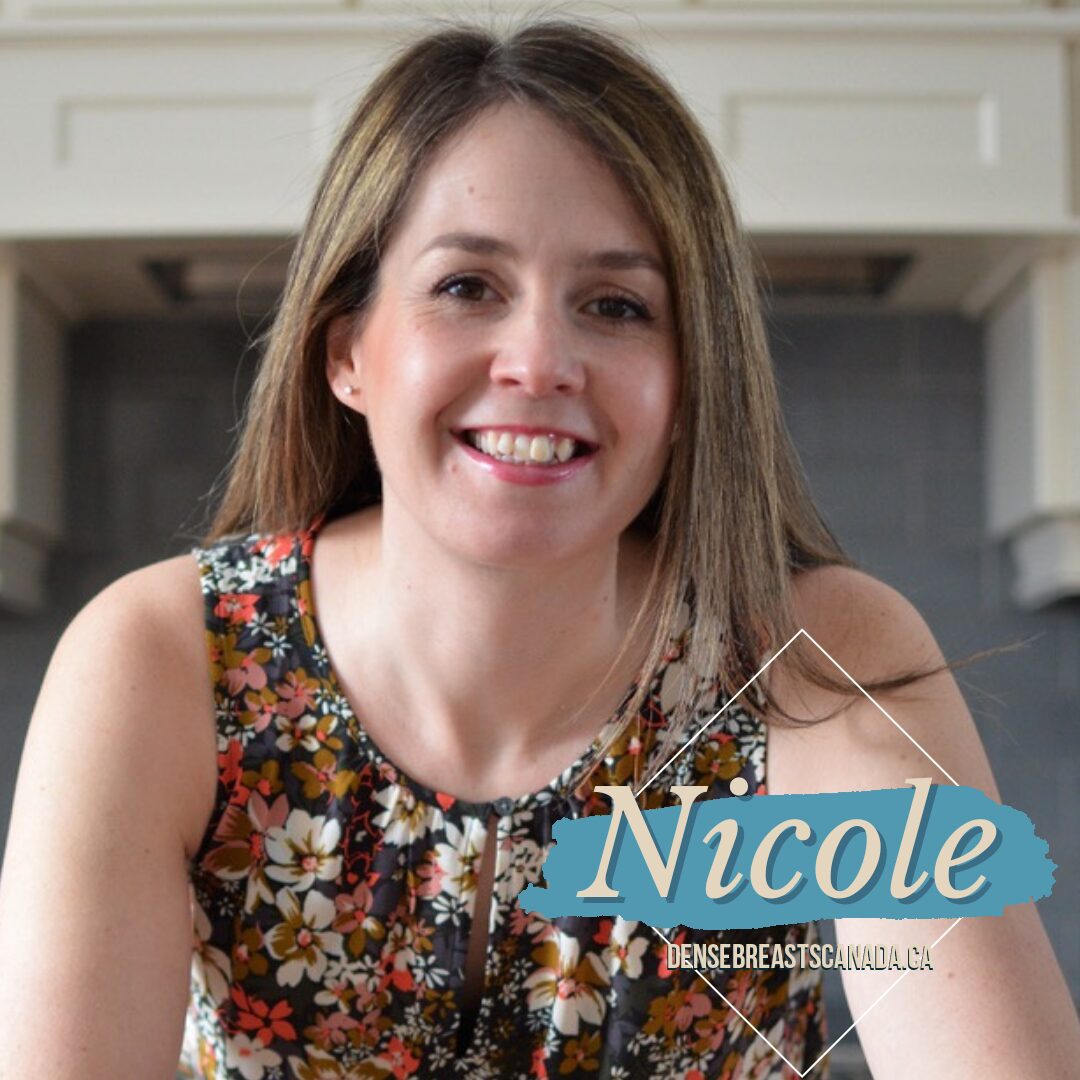
By Nicole Ballantine, RD
I never imagined I’d be writing these words at 40.
I’m a wife, a mother, and a registered dietician living in Kincardine, a small tight-knit community along the shores of Lake Huron in southwestern Ontario. I’ve spent my career helping others make informed decisions about their heath – but earlier this year, I found myself navigating one of the biggest health decisions of my life.
In early 2025, I was diagnosed with ductal carcinoma in situ (DCIS) – an early, non-invasive form of breast cancer. I had no symptoms, no family history. No reason to believe anything was wrong.
The only reason I booked my mammogram was because of the recent change to Ontario’s breast screening guidelines. My husband, who is a physician, mentioned that screening eligibility for mammograms had expanded to include women in their 40s. Around the same time, a colleague at work who had recently gone through her own breast cancer journey shared the same information at a staff meeting.
I booked my appointment through the Ontario Breast Screening Program, thinking I was just doing my due diligence.
The Power of Policy Change
In March of this year, I went for the mammogram here in Kincardine. I walked in expecting a routine screening – and walked out with a callback the very same day.
Further imaging at a nearby hospital in Walkerton showed ductal carcinoma in situ, or DCIS breast cancer, and predicted it could eventually be Grade 3 – the most aggressive and fast-growing form of this early-stage cancer. A biopsy later confirmed it. If left untreated, DCIS can become invasive and travel in the body, but my mammogram caught it early, when it was considered “stage 0” cancer.
That moment hit us hard. I was scared, confused, and overwhelmed. I’d only gone for the mammogram because I was 40, not because I was sick!
My surgeon explained my options, and following my surgery, they told me they had gotten everything – no radiation or chemotherapy needed. My genetics test also came back clear which was a huge relief as it means my kids are not at an increased risk of developing breast cancer.
Throughout this journey, I have felt informed and supported. My team was and continues to be empathetic, patient, and informative. They answered my many questions, helped me understand my choices, and made me feel like I wasn’t alone and that has made all the difference.
Early Detection Matters
Without the Ontario Breast Screening Program (OBSP), my story could have been very different. Thanks to the guideline changes last fall, I was able to schedule a mammogram at the age of 40. If I had waited, my cancer could have gone undetected for years. By then, it might have become invasive, and my prognosis and treatment plan would have been very different.
The expansion of OBSP gave me access to early detection, and that may have saved my life. OBSP connected me to a system that worked quickly, compassionately, and collaboratively.
I want others to know about my story – not to scare them, but to highlight the difference early detection can make. I want them to feel empowered to take that first step and know that the system will be there for them throughout their journey, whatever it may look like.
Learn more about Nicole’s journey – watch video here: Impact of the Ontario Breast Screening Program Expansion: Nicole’s Story